

Going Organic
Why Choose Organic Gardening? 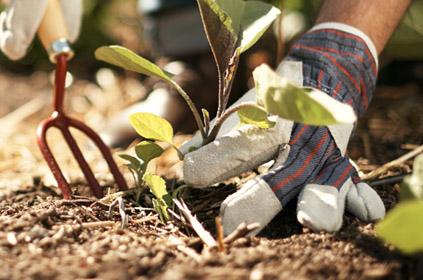 Why Choose Organic Gardening? Organic gardening provides a strong foundation for the vegetables, fruits, and flowers grown in the garden. Benefits of gardening organic include healthier plants, safer pest control, no toxic residues on harvested produce, cleaner waterways and a better environment. Read More »
Why Choose Organic Gardening? Organic gardening provides a strong foundation for the vegetables, fruits, and flowers grown in the garden. Benefits of gardening organic include healthier plants, safer pest control, no toxic residues on harvested produce, cleaner waterways and a better environment. Read More »What Sets Us Apart 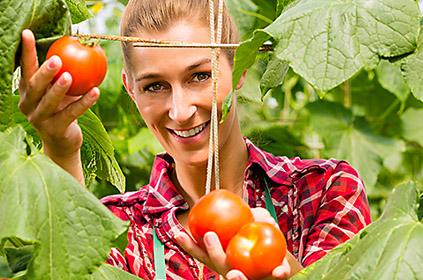 What Sets Us Apart Many products claim to be organic but are unable to pass the strict requirements of the Organic Materials Review Institute (OMRI). Shop confidently knowing Safer® boasts a large array of products possessing the OMRI® Logo. Read More »
What Sets Us Apart Many products claim to be organic but are unable to pass the strict requirements of the Organic Materials Review Institute (OMRI). Shop confidently knowing Safer® boasts a large array of products possessing the OMRI® Logo. Read More »Organic Vs. Natural 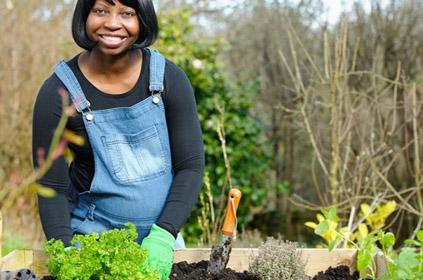 Organic Vs. Natural In the organic gardening world the words "organic" and "natural" are often mistakenly used interchangeably. Want to clear up the confusion? Keep reading! Read More »
Organic Vs. Natural In the organic gardening world the words "organic" and "natural" are often mistakenly used interchangeably. Want to clear up the confusion? Keep reading! Read More »Organic Pest Control 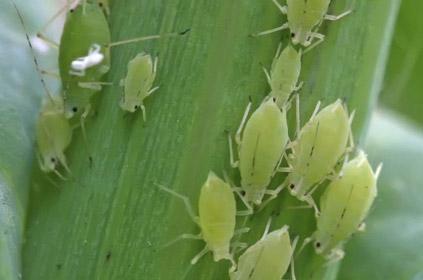 Organic Pest Control Many chemical insecticides not only kill pests, but also beneficial insects that prey on those pests, making reinfestation more likely. Harmful chemicals can be toxic to wildlife and the environment. Protect your family and our Earth with organic pest control products. Read More »
Organic Pest Control Many chemical insecticides not only kill pests, but also beneficial insects that prey on those pests, making reinfestation more likely. Harmful chemicals can be toxic to wildlife and the environment. Protect your family and our Earth with organic pest control products. Read More »Gardening Advice 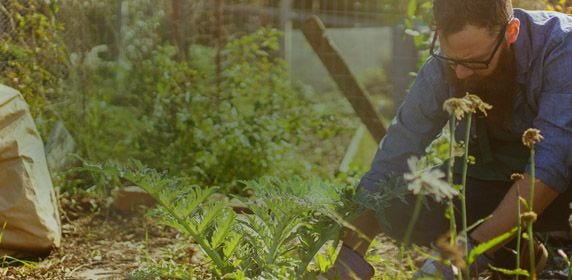
Gardening Advice Follow our expert methods for growing a pest and disease-free organic garden. Learn More »
Planting Calculator 
Planting Calculator Use our convenient gardening calculator to create your own custom planting calendar. Plan Your Garden »
Organic Pest Control Solutions 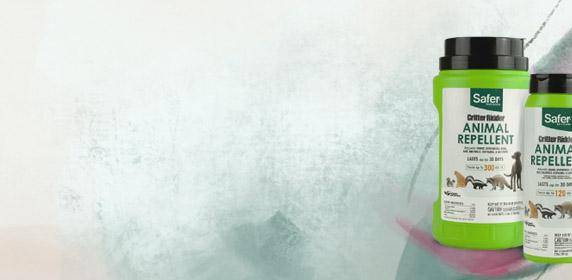
Organic Pest Control Solutions We offer a variety of solutions to humanely drive away nuisance animals. Shop Now »
