
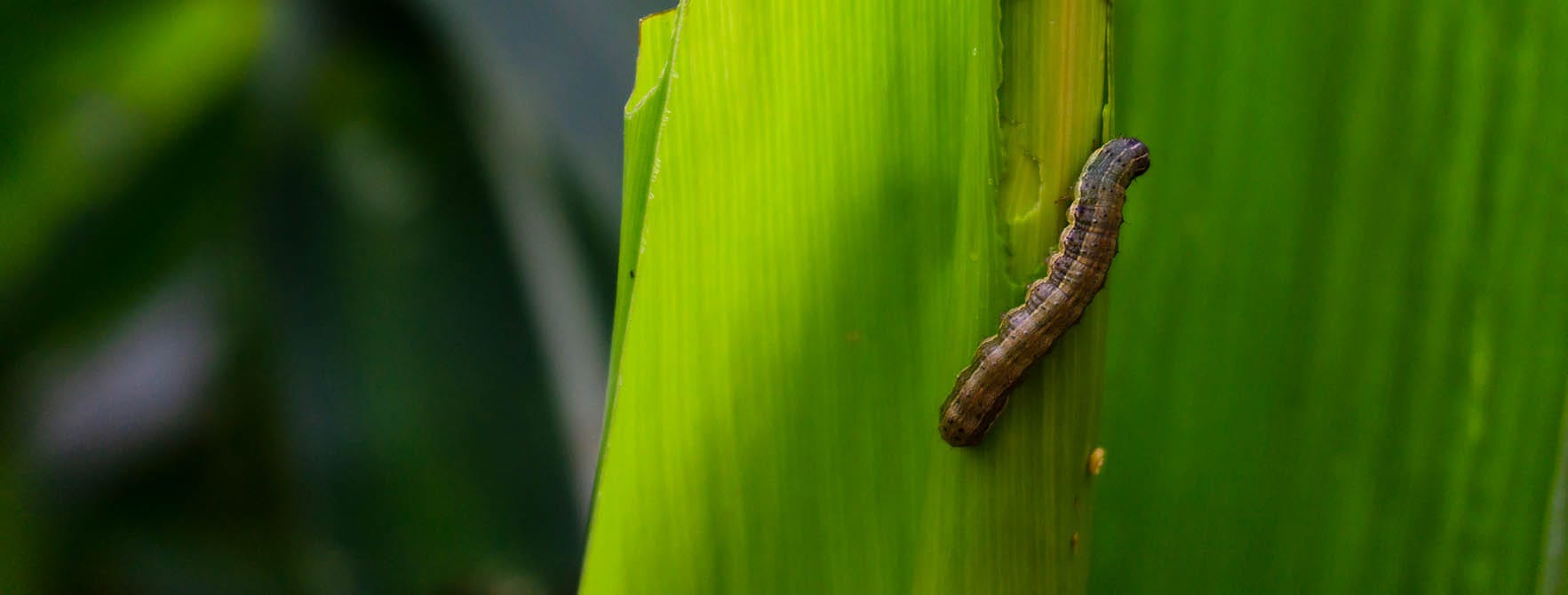
So... What's an Armyworm?
Adult armyworm moths are tan, light brown or grayish-brown in color and have a 1 1/2" - 2" wingspan. On each of their front wings, they have a small white dot.
Armyworm larvae or caterpillars are brownish or greenish in color with dark and light stripes along the length of their bodies. Eggs, which are a greenish white color, are laid in large groupings on the undersides of foliage leaves.
First generation caterpillars cause the most damage in an area but can be prevented by using a caterpillar product, such as Safer® Brand Caterpillar Killer II With B.T. Concentrate 16oz.
Reproduction Patterns of Armyworms
Armyworms spend the winter as mature larvae or in a pupal stage amid plant debris or down in the soil itself.
The armyworm larvae will feed during springtime and then pupate for two weeks. It is in this feeding period that the larvae cause the most destruction. After pupating, they will emerge as moths ready to mate, lay eggs, and continue the cycle.
There can be anywhere from 2 to 3 generations per year, with some areas having 4 if the conditions are favorable.
Armyworm Habitat
These destructive pests are found east of the Rocky Mountains in the United States and southern Canada, although they have also been found in the extreme southwestern U.S.
They can be found in agricultural fields as well as golf courses and homeowners' backyards. They feed during the nighttime, and spend their days hidden in the plants or under plant debris.
When they have devoured a field or area, they will move together to a new area with fresh food. It is due to this movement as a large group that they received their name.
Symptoms of Armyworm Damage
Identifying the symptoms and controlling an armyworm infestation may be very difficult because a group of armyworms can destroy entire plants overnight. By the time the symptoms have been spotted, the armyworms may no longer be feeding in preparation for the next stage, or may have moved to another field, garden, or golf course to infest.
If symptoms present themselves early enough and you spot them in time, however, there are some ways to control an infestation. When you see plants that look defoliated or notice grasses or fields being devoured, you will need to immediately take action. Using Safer® Brand Caterpillar Killer II With B.T. Concentrate 16oz will allow you to eliminate and prevent an armyworm infestation.
Results of an Armyworm Infestation
Plants may be entirely devoured and field crops decimated if an infestation occurs. This will happen over a very short period of time, overnight or in just days. Lawns will have bare areas.
Natural & Organic Controls
What?
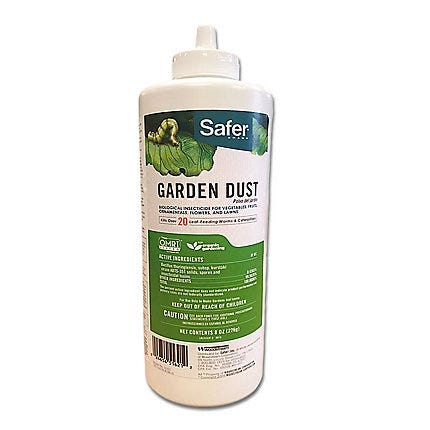
Products featuring B.T.,such as Safer® Brand Garden Dust, and products featuring bacillus thuringiensis such as Safer® Brand Caterpillar Killer II With B.T. Concentrate 16oz are organic resources that can be used to help control the armyworm. B.t. (Bacillus thuringiensis) is a useful method for eliminating armyworms without environmental concerns or harm to wildlife and beneficial insects. Insecticides containing pyrethrins can also be an effective method of controlling the armyworm.
How?
Products such as Safer® Brand Garden Dust kills armyworm larvae, thereby preventing further damage. When the B.t. is ingested by the worm, it works as a gut rot poison that makes the worm stop feeding. The armyworm will stop feeding immediately and die within days of malnutrition. B.t. usually comes in a dust or concentrate and kills a variety of caterpillars and worms, including the destructive armyworm. It will not harm beneficial insects, children, pets or wildlife.
Safer® Brand offers products to help control and eliminate this garden pest and revive your plants. Products such as Safer® Brand Garden Dust, and Safer® Brand Caterpillar Killer II With B.T. Concentrate 16oz will provide you with the best solution to your armyworm problem.
Carefully read and follow all directions on the product's label. It is recommended with any pesticide to test plants for sensitivity to the product. Spray a small section of the plant in an inconspicuous area and wait 24 hours before applying full coverage.
When?
B.t. is generally applied when it is a cooler time of day, preferably later in the afternoon or early in the evening since the product breaks down in sunlight and heat.
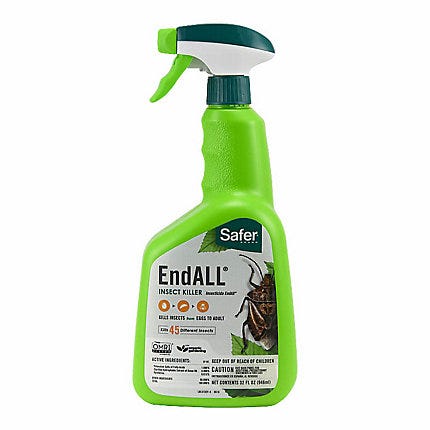
When applying pyrethrin and neem oil products, such as Safer® Brand EndALL with Neem Oil, to infected plants, carefully read and follow all directions on the product labeling for safe and effective application. Do not spray plants in the peak of the day or when temperatures exceed 90°F
Why Choose a Pest Solution?
Thankfully, many people are starting to realize that products that are compliant for use in organic production are the best solutions available. Why exactly are these products preferred? These solutions break down quickly into their natural elements. They are preferable to chemical pesticides that leave residuals where they are sprayed, causing long-term detrimental effects on the environment.
Plus, if you’re using the wrong insect-control products on produce, these chemicals can make their way into your food, eventually reaching your home and family. You put your love and sweat into your garden because you want to put great food on the tables of your family and whoever else eats your produce. So you want to choose a product that befits the fruits of your labor.
Natural Predators
What?
Parasitic wasps can help control armyworm infestations.
How?
The parasitic wasp lays its eggs on the armyworm and its larvae that hatch will feed inside the armyworm, usually resulting in the death of the host insect.
 Safer® Brand leads the alternative lawn and garden products industry, offering many solutions that are compliant with organic gardening standards. Safer® Brand recognizes this growing demand by consumers and offers a wide variety of products for lawns, gardens, landscapes, flowers, houseplants, insects and more!