
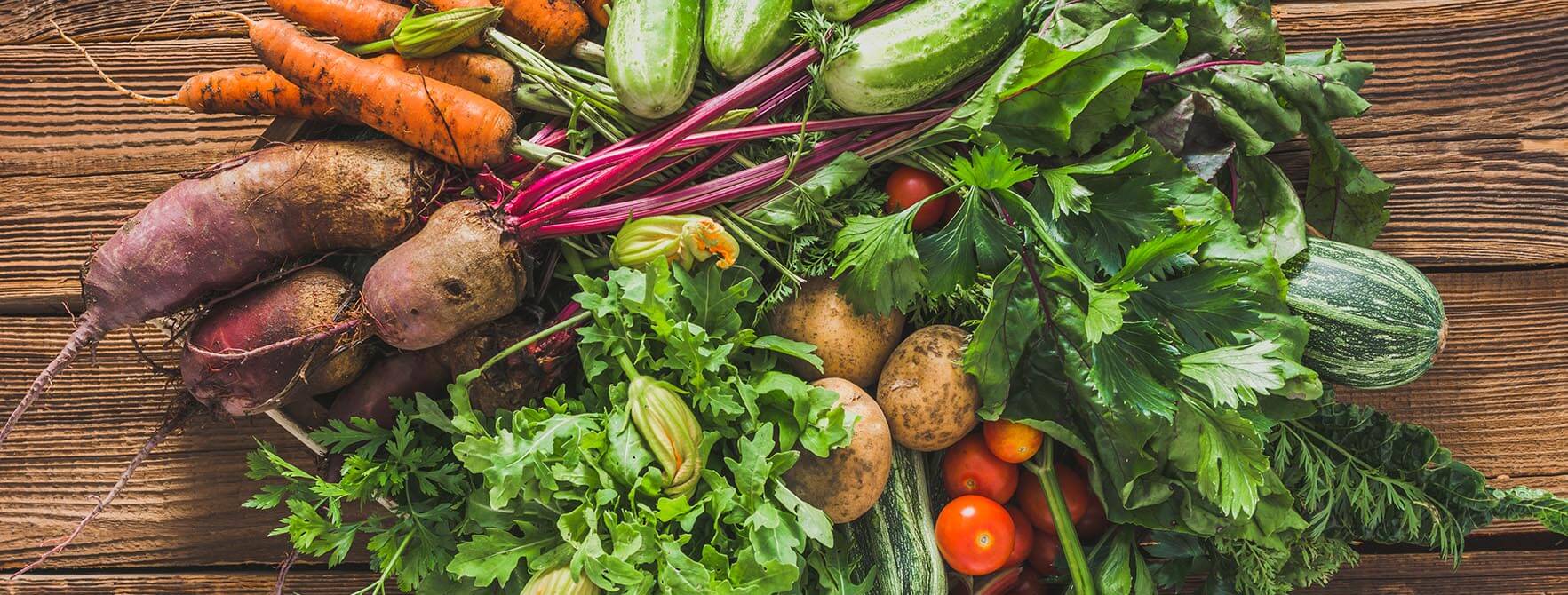
What can save you money, give you a sense of satisfaction and pride, while also being delicious? Starting your very own vegetable garden. If you start small with easy to grow vegetables, you can learn the basics and come away with some garden-fresh ingredients for meals. There’s nothing quite like growing a plant from scratch and then sinking your teeth (literally) into the results. Take a look below to learn about the basics of starting your vegetable garden!
Location, Location, Location
So many factors can go into starting your own vegetable garden, especially sunlight, water, and soil. The better the location and conditions, the better the end result will be.
- Sunlight – Vegetables typically need at least 6 hours of sunlight per day to grow well. Some plants, like tomatoes, adore full sun conditions and thrive with over 8 hours of sunlight a day. Others, like broccoli, like shadier conditions with brief periods of full sunlight.
- Water – Keep an eye on the conditions in your yard. Are there areas that dry out really quickly? What about areas that tend to say soggy for days at a time or frequently flood? These conditions are not the best for your plants, so they are best avoided or remedied. Water in the morning or evening to prevent evaporation before the plant can soak up the water. Keep the gardening area well-drained to prevent drowning your plants or creating conditions that would benefit harmful fungi from invading.
- Soil – The health of your soil is one of the most important aspects to consider when growing any type of garden. The healthier the soil, the better the plants will grow. Roots can penetrate soft soil more easily and the soil should be enriched with compost or an organic fertilizer to boost nutrient levels.
Start Small
Planting a massive garden can get overwhelming very quickly, especially if you’re just starting to learn how to handle a garden. Starting small can allow you to focus on doing things well without getting frustrated or overwhelmed. With a smaller vegetable garden, you can see what works and what needs improvement while making those changes swiftly and easily.
Choose a plot size that makes sense for the size of your yard, the time you’re willing to spend tending to the plants, and the size of your budget. One of the most common problems new gardeners have is planting too much, too soon. If you have the space, a 10’ x 10’ plot is ideal for beginners and can accommodate a variety of plants while providing food for up to four people. Herb gardens that hang from windows are also a great option for those who want to garden but have little space to work with.
Top 10 Easiest Vegetables to Grow
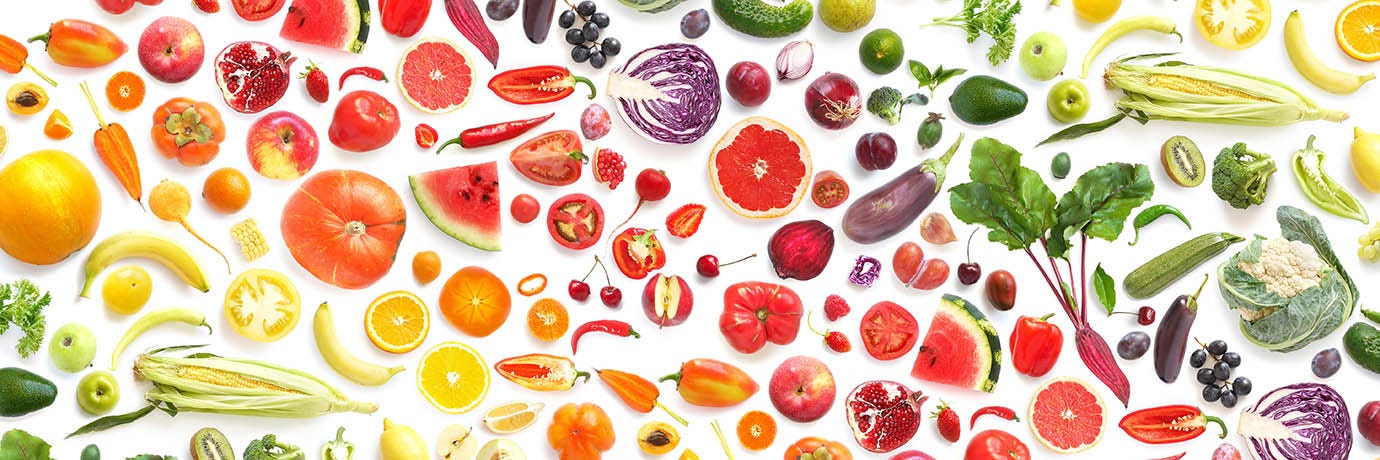
Now we all know you want to earn the accolade of having a green thumb and have the garden that makes your neighbors green with envy. Just remember that, like anything else, vegetable gardening takes practice and patience.
Try planting these 10 vegetables to make your first growing experience a little bit easier. Already a vegetable gardening pro? These crops are always crowd pleasers and can let you focus on taking care of the harder to grow plants!
- Tomatoes
- Zucchini
- Bell Peppers
- Spinach
- Green beans
- Lettuce
- Beets
- Carrots
- Radishes
- Cucumbers
Planning a Garden's Layout
Are you planting directly in the soil or are you using raised beds or pots? Will your garden consist entirely of rows or will you grow plants vertically? Most gardeners just want their plants in the ground, but proper spacing and planting methods can make a difference with plant yields and growth.
Let’s take some of the confusion out of that whole process. Read on to learn more about the different ways to plant crops in backyard vegetable gardens, so you can choose which fits your style and needs best.

Row Cropping
What: This type of vegetable gardening is what comes to mind for most people. Crops are planted in neat rows that are spaced an even distance apart.
Pros: This type of gardening is perfect for large-scale operations because the rows provide natural avenues for farm equipment to use.
Cons: The space needed for footpaths minimizes the space where you can plant your garden. Be sure to keep enough space between the rows to be able to walk between then so you can water your plants.
Square-Foot Method
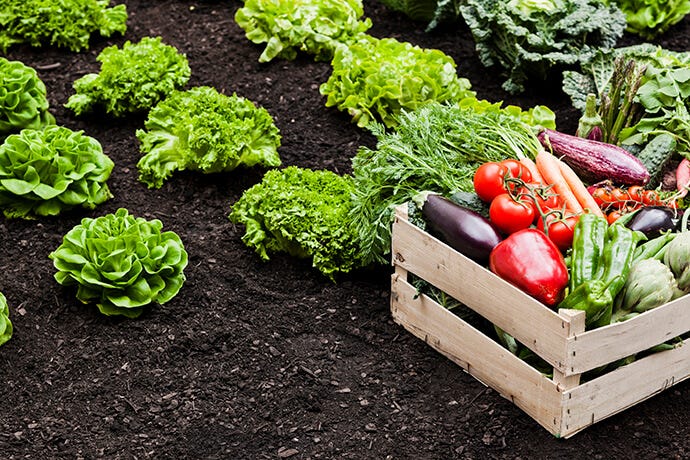
What: This method involves dividing your garden into a grid and each plant receives one square foot of space to itself. At maturity, the plants’ leaves will just barely touch the neighboring plants.
Pros: This method prevents overcrowding and uses almost every square inch of soil without needing to worry about substantial nutrient depletion.
Cons: Square-foot planting works best in a raised garden bed where it is easy to section off areas for each plant. Weeds are also harder to control because weeding has to be done by hand.
Vertical Gardening
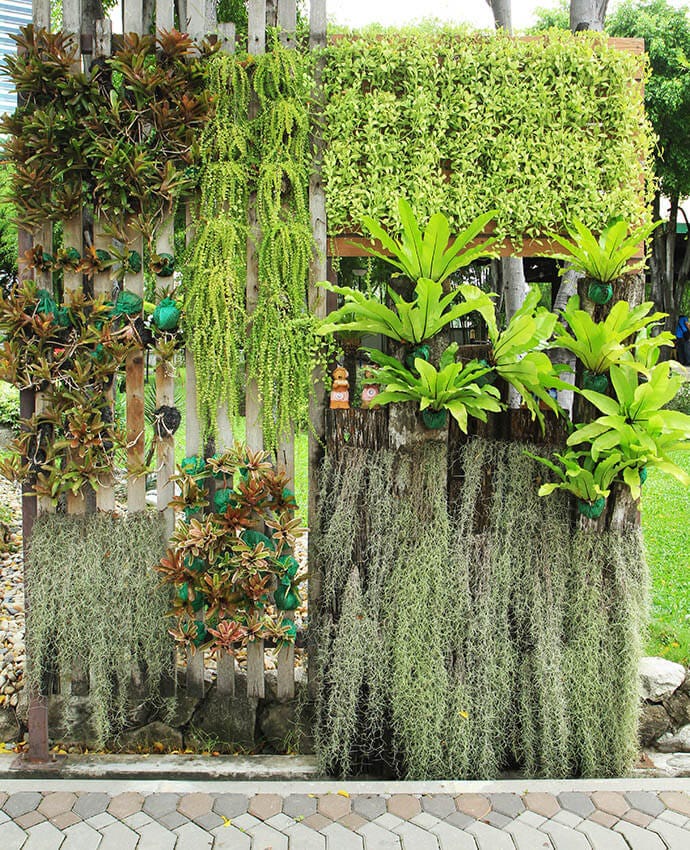
What: A vertical garden is one that grows upward with some type of support like a trellis or cage. Tomatoes, zucchini, green beans, and cucumbers are a few of the many plants that grow well using this system.
Pros: Not only are they space saving, but they can be aesthetically pleasing as well. Any tall plant can be taught to grow upwards instead of horizontally, and this method can keep crops away from some hungry pests!
Cons: Unless you’re using an existing structure to support your plants, you will need to buy a cage or trellis to give the plants enough support to grow to maturity.
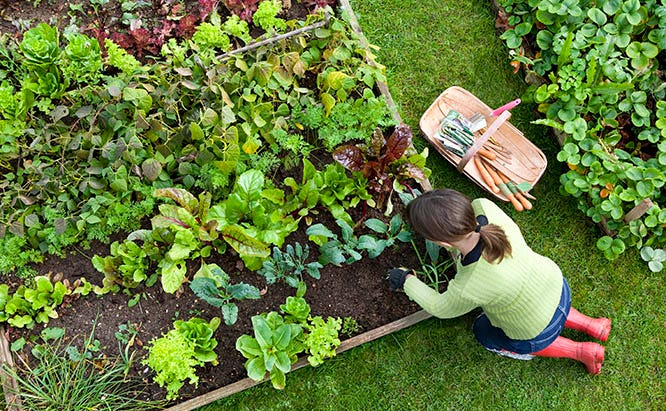
Raised Beds
What: A raised garden is simply a garden that is raised above ground level.
Pros: Benefits of raised gardens include: pests such as rabbits, moles, and gophers have a harder time accessing the plants, complete control over soil, space saving, easy maintenance, and can be placed anywhere.
Cons: The soil tends to dry out more quickly than other types of vegetable gardens and the added costs of building the beds and buying soil can add up quickly.
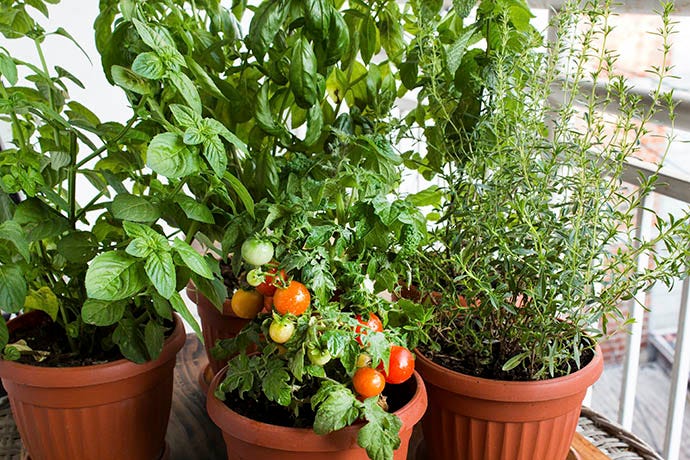
Potted Plants
What: While less commonly used for vegetable gardening, pots can be used to grow a variety of plants, especially in indoor gardens.
Pros: Pots are an aesthetically pleasing addition to your garden area and can easily be moved to fit almost any space. Growing vegetable seedlings indoors in potted plants is also a great option for regions with longer winters.
Cons: Plants can quickly outgrow their pots and the expenses of buying new ones can be costly.
Prep for Success
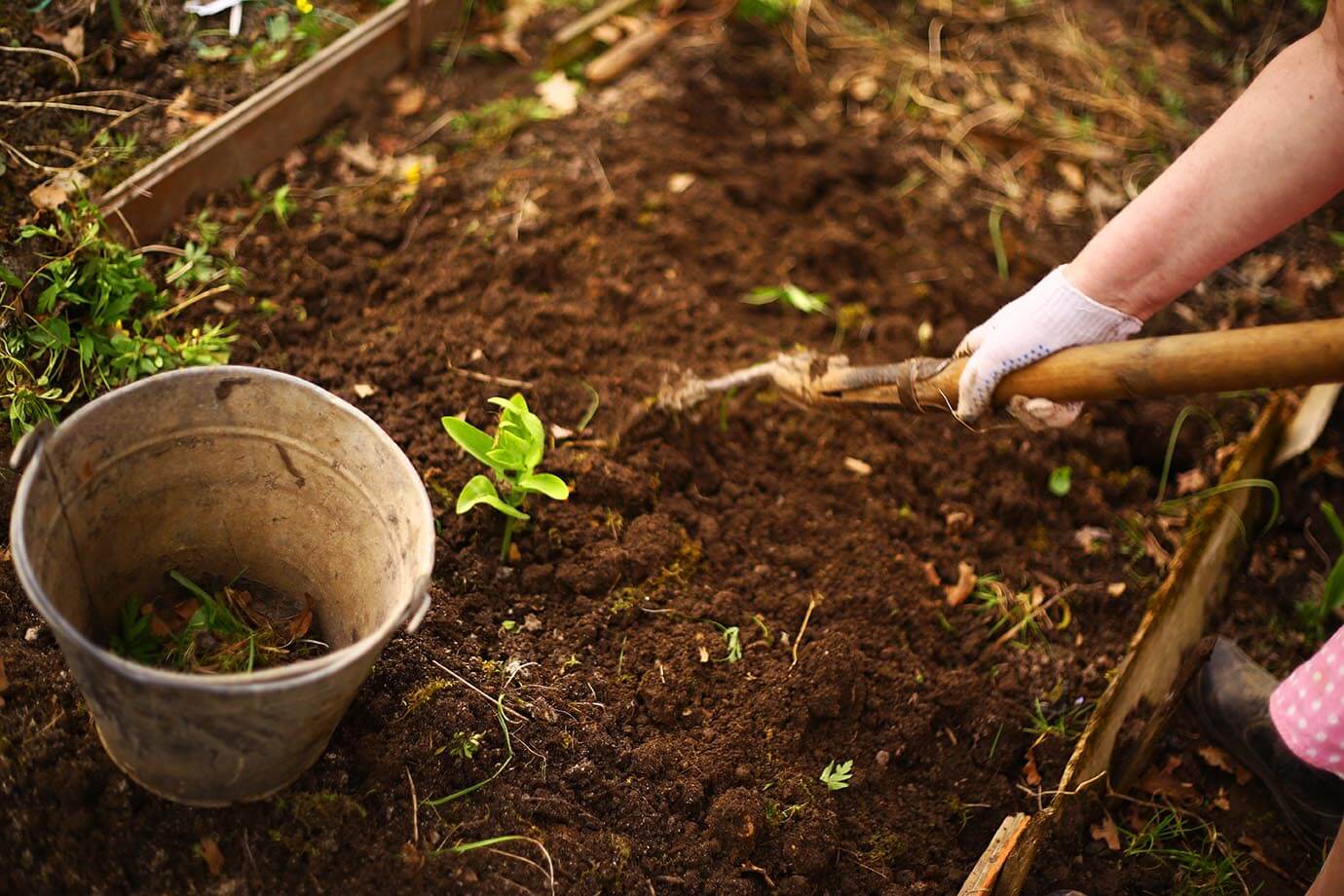
Regardless of the type of garden you’ve chosen, establishing a vegetable garden involves preparation before planting. Healthy soil is home to millions of microscopic organisms that contribute to soil health and nutrient levels. Keeping soil full of organic matter gives these microbes more food, which subsequently provides the plants with more nutrients. Overall, it’s relatively easy to determine the health of your soil with some simple tips and tricks.
Soil Testing
Give your plants the best start possible by testing the soil to see what benefits it already as and where you can improve its quality. A soil test will let you know how fertile your soil is and identify the pH level. You can send a sample to a professional testing facility, but there are plenty of ways to test your soil just by looking at and touching it.
Texture is a helpful indicator when determining the type of soil you have. Pick up a handful of dirt. If it feels gritty, you’ve got sandy soil. If your soil feels powdery, you’re dealing with silty soil. Soil that is sticky when wet and dense or hard when dry is composed of lots of clay. Most gardens are a combination of several or all of these types.
To adjust the type of soil you have, simply add organic matter. The more natural nutrients you put into the soil, the healthier it will become. As it becomes healthier and more nutrient dense, microbes and earthworms (key indicators of soil health) will begin to appear in abundance. The easiest way to add organic material is by starting a compost heap or bin. By using compost, you don’t have to resort to adding harsh chemicals that may end up doing more harm than good. Using organic fertilizers is another optimal method for adding nutrients to improve your garden.
Soil Preparation
Healthy soil should be dark, smell earthy, feel crumbly to the touch, drain well, be easy to dig, and literally full of life. Once you’ve achieved this landmark in your gardening career, it’s time to prepare your garden for planting.
- Step 1: Clear Debris – Eliminate any potential growing obstructions by clearing sticks, rocks, weeds, roots, etc. Anything that could hinder a plant’s growth or compete with resources should be removed.
- Step 2: Till Soil – Turn or dig the soil at least 12 inches into the ground. Many vegetables will develop long root systems that extend well below the surface. By keeping that soil loose, you will allow their roots to grow strong and be able to find nutrients more efficiently.
- Step 3: Feed Soil – Regardless of the nutrient levels in your soil, it is always good practice to get in the habit of boosting your plants’ health. Add compost or organic fertilizers to take your garden to the next level.
- Step 4: Smooth It Out – Rake the soil relatively flat, water well, and leave your brand new garden for a few days before planting. This will allow everything to sink in and be ready for planting!
Plant That Garden!
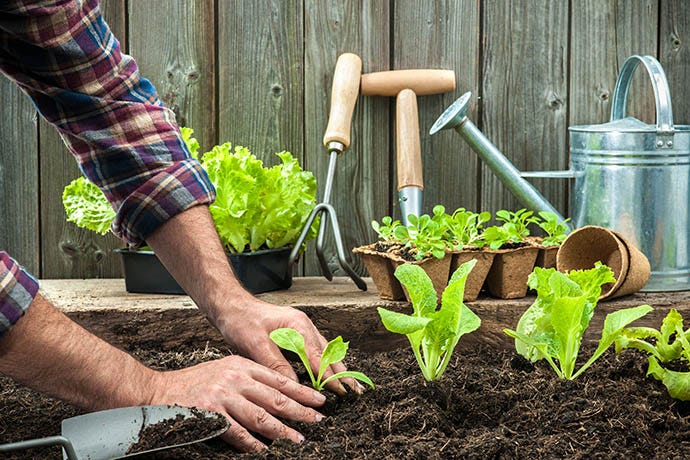
All of your hard work so far has been leading up to this point. It’s finally time to plant! The first thing you want to do is check your last frost dates. If you’ve chosen seedlings, make sure to keep them indoors until the last frost. When starting from seeds, plant them indoors about 6 weeks before the last frost date to get them growing sooner.
It might be counterintuitive, but you don’t have plant all of your garden at once. Lots of first-time gardeners plant their crops at once and end up with an overabundance of vegetables. While this might seem like a wonderful thing, there is a greater risk of the food going bad before you can eat or preserve it. Instead, stagger your planting time by several weeks. That way, you don’t run the risk of wasting those delicious veggies and you have a continuous supply of crops throughout the season!
Caring for Your Vegetable Garden
Your plants are in the ground and growing strong. Now you can sit back, relax, and not think about your crops until harvest time, right? Wrong. Keeping your garden healthy as well as pest and weed free will take some work.
Weed Control
If you have a small garden, pulling weeds by hand is simple and not time-consuming. That method might not be as feasible in larger scale gardens. Organic products that either prevent weeds or kill them on contact are the best method for larger gardens. Stick to organic products or products that are safe for use for organic gardening, such as OMRI listed products. These will help prevent adding harmful chemicals to your garden that could potentially harm both you and the environment. Make it a habit to check for weeds every week. This should keep a small problem from getting out of control.
Pest Control
Animals, insects, and fungi are all natural pests that every gardener has to face at one point or another. Knowing how to defend your garden from these invaders is half the battle.
Animals pests come in all shapes and sizes. Deer, moles, rabbits, squirrels, raccoons, and so many more are common animal culprits when it comes to figuring out what has been stealing or vegetables or digging up your plants. Luckily, there are seemingly endless, humane solutions for keeping animals away from your vegetables.
Repellents come in a variety of forms such as granular, liquid, sonic, motion-activated, and weatherproof stations and are proven to humanely discourage pests from returning. Live cage traps, while they might not be the prettiest addition to your garden, are very effective at helping you remove unwanted animals, so you can transport them far away from your delicious garden.
Insects are sometimes harder to spot, but their damage is as clear as day. Holes in plants, entire leaves gone in less than a day, and unsightly spots are common symptoms of an insect infestation. Each plant species will have its own pest to deal with. For small-scale infestations, hand picking insects, like caterpillars, is a simple task. For larger infestations, a more intensive approach is needed. Products like neem oil, diatomaceous earth, and insect killing soap provide comprehensive protection against all types of insects while also being safe for use in organic gardening.
Nothing can ruin a garden or harvest quite like fungi. Once it sets in, there’s usually no going back. Keep your soil draining well to prevent root rot, a common fungal problem that results from overwatering or poor drainage.
While watering your garden is always a good practice, water at optimum times of the day, such as first thing in the morning. Watering too late at night can prevent water from evaporating and create conditions that invite fungi. Some fungal problems persist despite your best efforts. When this happens, it’s time to use a fungicide.
Harvesting
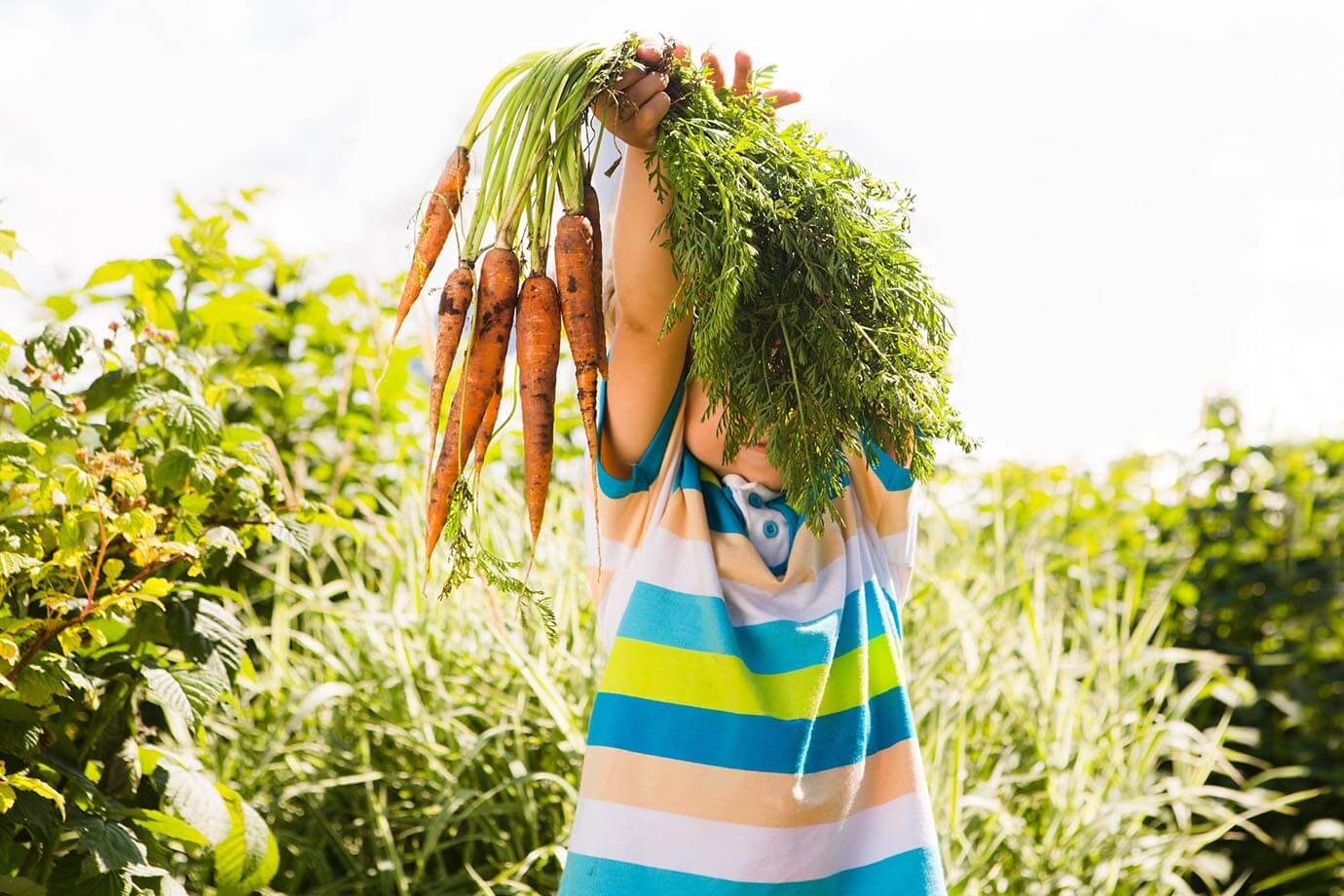
It’s the most wonderful time of the year! Well, almost. You’ve started a vegetable garden from scratch now you get to eat homegrown vegetables and taste the results of your hard work. Harvesting is what gardening is all about and what makes the work worth it in the end.
As a general rule of thumb, if the food looks good enough to eat, it probably is. Wait for items to look and feel ripe, but avoid waiting for them grow extremely large. Remember, you aren’t the only one trying to feast on your vegetables! Pests will most likely get there first if you wait too long.
Tips for Healthy Growing
- There’s an App for That – Take the guesswork out of vegetable gardening and download an app similar to a grower’s almanac or use our planting calculator to help you decide what and when to plant.
- Companion Planting – Some plants replenish the soil with nutrients lost by another plant. Other plants, like marigolds, naturally repel pests. Choose which plants would benefit your garden the most and add them in!
- Splash of Color – To avoid losing your (usually green) gardening tools, paint the handles a bright color that stands out from the rest of your garden.
- Early Composting – Compost takes time to seep into the soil and be effective. Apply it about 2-3 weeks before planting your garden to maximize the effects.
- Early Removal – Remove ripe veggies right away. Overripe crops act like a welcome sign for invading pests.
- Feed the Worms – Earthworms love nutrient dense soil. Use compost and organic fertilizers to feed your soil. The more earthworms you have, the more aerated your soil will become. Their droppings will also add nutrients for your plants to take in.
- Just Add Mulch – Battle weeds with untreated mulch by spreading it around your plants. This will also keep more moisture near your plants and insulate them from cold weather.
- Don’t Be Afraid to Fail – There are always going to be times you’ve done everything you could and you end up with the world’s smallest tomato or even none at all. Keep learning and improving your gardening plan and techniques. Eventually you’ll have a vegetable garden that’s producing more than you thought possible!
 Safer® Brand leads the alternative lawn and garden products industry, offering many solutions that are compliant with organic gardening standards. Safer® Brand recognizes this growing demand by consumers and offers a wide variety of products for lawns, gardens, landscapes, flowers, houseplants, insects and more!