
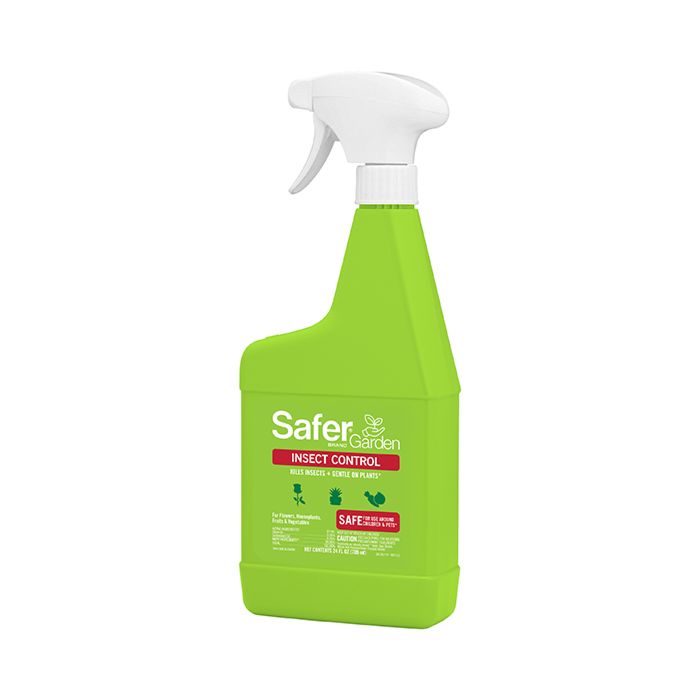
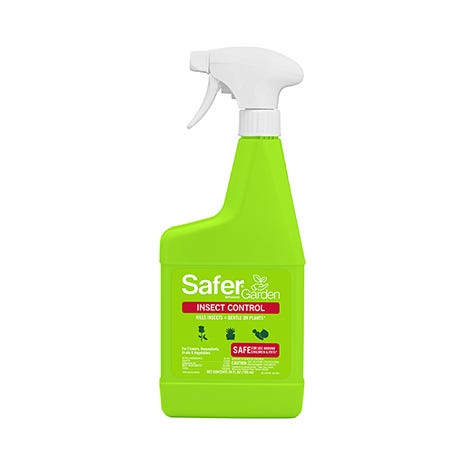
Safer® Garden Insect Control Spray - 24 oz
- Kills insects + gentle on plants when used as directed
- Kills aphids, beetles, boxelder bugs, caterpillars, earwigs, spider mites, stink bugs, and more
- Safe for use around children and pets when used as directed
- For use on flowers, houseplants, fruits & vegetables, ornamental trees & shrubs
- Can be used up until the day of harvest
- 24 fl oz ready-to-use spray bottle for easy application
PR
Best Used For




Safer® Brand Garden Insect Control
Protect your plants from insect pests with Safer® Brand Garden Insect Control – The Family Friendly Way to Kill Bugs. This multi-insect spray is effective against common garden pests including aphids, beetles, boxelder bugs, caterpillars, earwigs, spider mites, stink bugs, and more. The gentle formula is made with natural oils, including clove oil and cottonseed oil, so it’s safe for use around children and pets when used as directed.
Kills Insects & Mites
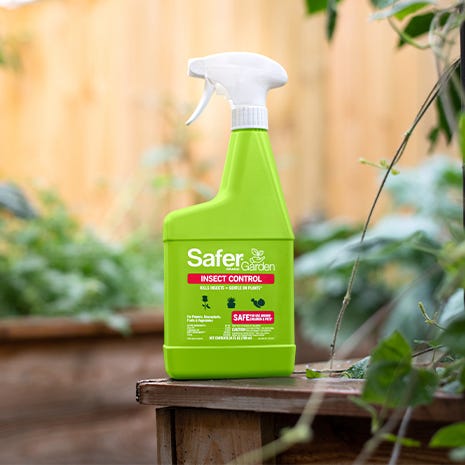
Safer® Brand Garden Insect Control can be used directly on plants to eliminate destructive insects and help your garden thrive. This ready-to-use spray is formulated with a blend of clove oil and cottonseed oil to kill aphids, beetles, boxelder bugs, caterpillars, earwigs, spider mites, stink bugs, and more on contact. With a multi-insect solution you can avoid the hassle of using numerous products.
Safe & Gentle Formula
Safer® Brand Garden Insect Control provides peace of mind for those with kids and pets at home. It’s made with a blend of natural oils, including clove oil and cottonseed oil, so it’s safe for use around children and pets when used as directed and has no unpleasant odor. The formula is also gentle on plants so you can safely use it on roses, flowers, houseplants, fruits & vegetables, trees, shrubs, and ornamentals.
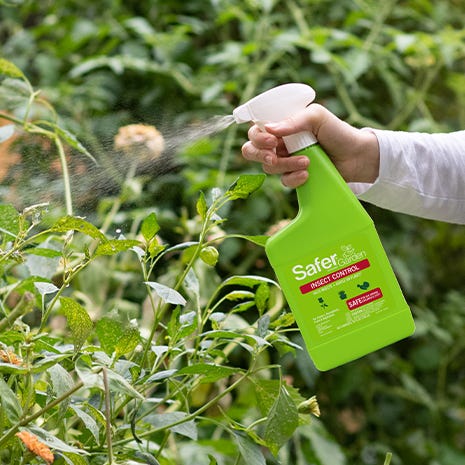
Easy to Use
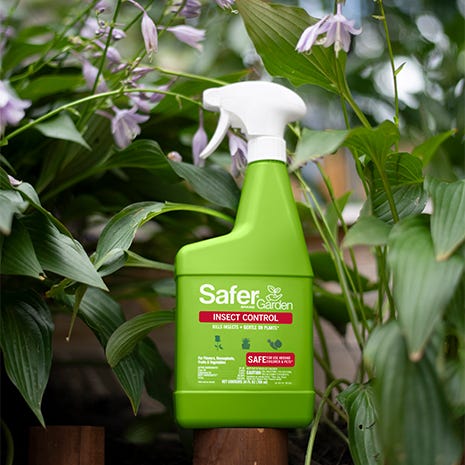
When problem insects strike in your garden, having a solution that’s simple is the way to go. Safer® Brand Garden Insect Control comes in a ready-to-use spray bottle that makes application a breeze. Apply at the first sighting of insects or damage, thoroughly covering all plant surfaces (including the bottom of the leaves) until the point of runoff. Reapply every 5 to 7 days when insects are present. The spray can be used up until the day of harvest.
Safer® Brand Garden Insect Control Details
Do you want to know more helpful details about Safer® Brand Garden Insect Control? Take a closer look at the in-depth specifications for this product.
| Safer® Brand Garden Insect Control | |
|---|---|
| Model # | SG5110 |
| Size | 24 oz |
| Active Ingredients | Clove oil and cottonseed oil |
| Eliminates | Aphids, beetles, boxelder bugs, caterpillars, earwigs, spider mites, stink bugs, and more |
| Product Features |
|
| Safer® Brand Garden Insect Control | |
|---|---|
| Model # | SG5110 |
| Size | 24 oz |
| Active Ingredients | Clove oil and cottonseed oil |
| Eliminates | Various insect pests including:
|
| For Use On |
|
| Product Features |
|
Customer Reviews
Q&A

About Safer® Brand
Safer® Brand is the leader in alternative lawn and garden products, offering many solutions that are compliant with organic gardening standards. Safer® Brand recognizes this growing demand by consumers and offers a wide variety of products for lawns, gardens, landscapes, flowers, houseplants, insects and more!
About Safer® Brand »