
What Is a Wasp?
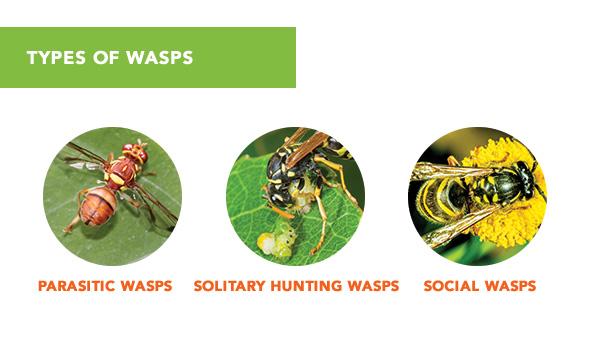
Wasps can be divided into three groups: parasitic wasps, which are beneficial insects; solitary hunting wasps, which hunt spiders and other insects; and social wasps, which are the ones people encounter the most.
Social wasps from the family Vespidae include hornets, yellow jackets, and umbrella or paper wasps.
Since all three types of wasps look and behave similarly their names are often confused. To help you identify the differences we will further group these insects into hornets, consisting of the European hornet, giant hornet and bald-faced hornet, and wasps, which include yellow jackets and paper wasps.
Differences Between Wasps and Hornets
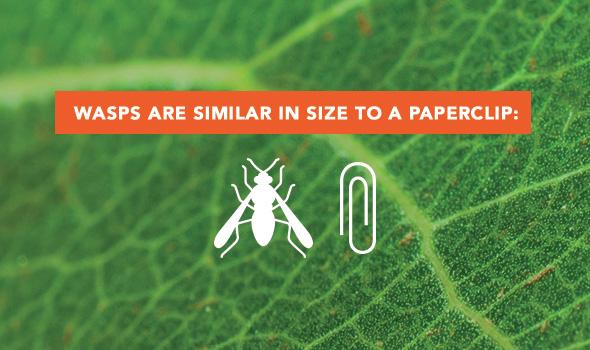
Though hornets are a type of wasp, they still have slightly different characteristics from other wasps. In most cases, wasps are smaller than hornets. A wasp grows to be about 1-inch while hornets can grow to 1.5-inches. Yellow jackets are often one of the most common wasps that visit picnics and other populated areas during the warmer months. They measure about 1/2" and are generally yellow and black. Paper wasps or umbrella wasps are 3/4 to 1" long with smoky black wings. Wasps also have more color variations than hornets, which are usually black, white or a reddish brown. Many wasps have yellow on their bodies, which hornets usually do not.
Some other differentiating characteristics include:
- Hornets make aerial nests that appear to be paper-like.
- Wasp nests are usually smaller than hornet nests.
- Yellow Jackets build nests mostly below ground but sometimes above.
- Paper wasp nests won’t have a paper envelop enclosing the nest.
- Wasp nests tend to have more workers than hornet nests.
- Both wasps and hornets eat insects, but mostly wasps are only attracted to sweet or protein-rich foods or drinks.
- The aggressiveness of a wasp depends on the species. Yellow jackets and hornets both tend to be quite aggressive regardless of the situation, whereas paper wasps won’t usually sting unless provoked.
Depending on what species of hornet or wasp you have, they may or may not be aggressive. However, the problem with these pests is that they tend to build their nests in the same areas where people like to congregate. This poses a mild threat, as wasps and hornets can pack a powerful punch when they sting — and they can also sting multiple times.
Wasp & Hornet Habitats
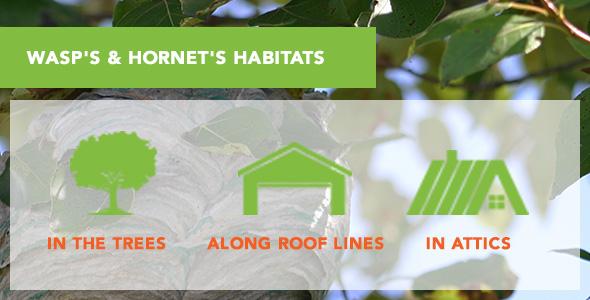
Wasps and hornets can be found throughout North America in meadows, orchards, woodlands, playgrounds, cemeteries, and urban and suburban backyards. They vary in their nesting preferences.
Although they all chew wood pulp to build their nests, yellow jackets generally locate their nests below the ground surface, while hornets and other wasps build their large nests up in the trees, under eaves, along roof lines, in attics, or any other space that might be desirable.
While most hornet species are not normally aggressive, they will all become aggressive if their nest is disturbed. If wasps decide they like the same outdoor space and food as you do, problems can also arise. With the Safer® Brand Deluxe Yellow Jacket Trap, you can get rid of wasps and hornets and enjoy your time outdoors.
How to Distinguish Between a Bee and a Wasp
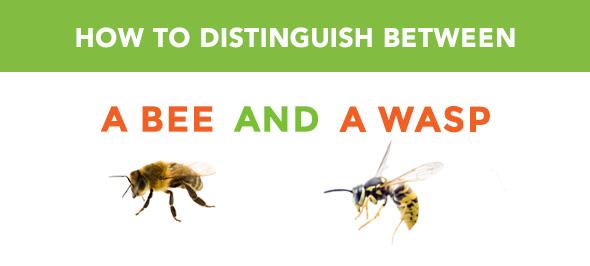
Before you gather your equipment to get rid of wasps and hornets, first make sure they aren’t bees.
To determine whether or not you have bees, follow these steps:
- If you find a nest, see if you can determine if it’s papery or waxy. Hornets and wasps make nests out of paper because they chew wood and mix it with their saliva. Bees make nests that have a thicker, waxier texture.
- Take a look at its body. Bees are covered in little hairs to trap pollen, and they look fuzzy. On the other hand, bodies of hornets and wasps are smooth.
- See where the insects themselves are located. Bees feed on nectar and pollen of flowers, while wasps and hornets are more interested in food or other insects.
Another big difference between bees and wasps is that bees can only sting once. Their stinger is barbed, so it stays in the flesh. The bees die shortly after stinging. Wasps and hornets, however, have stingers that remain attached to their bodies, so they can sting multiple times.
Wasp and hornet colonies die out once the weather turns cold, but bees can stay alive throughout the winter by staying tucked and huddled into their hives.
Benefits of Wasps and Hornets
Bees are beneficial because they help to pollinate flowers and plants, and they can also make honey. But how exactly are wasps and hornets beneficial? Believe it or not, they can help eliminate other pesky insects from your yard.
Paper wasps find caterpillars and the larvae of leaf beetles to be especially tasty, and they’ll carry those insects back to their nest to feed their young. Hornets feed on an array of bugs, and they also like to take live insects back to their nests. Since there are many young hornets and wasps in a nest, there’s the potential for stringent insect control.
Reproduction Patterns of Wasps
Since the behaviors and life cycles of wasps and hornets are so similar, we’ll be referencing both as wasps for the rest of this page and will only specify if the information is different for a hornet.
The queen starts the colony each year in the spring. Sometimes she’s the same queen from the previous year if she was fertilized and survived the winter, but before the start of the cold season, new queens are born as well. They mate with males from different nests and fly to various locations to hibernate for the winter and begin new colonies in the spring. Once the weather warms, the queen will lay her eggs in the small paper nest she has begun.
The first hatchings in the nest are those that will develop from the larval state into an adult female worker. The queen will feed these larvae until they pupate, and she will add on to the nest to ensure there’s enough room for the eggs.
Once the larvae have pupated and become adult workers, they will take over with the building of the nest, tend to the queen and feed the other larvae, search for food, and protect the colony. When the workers reach this stage in the life cycle, the role of the queen becomes solely to lay the eggs.
Males are produced at the end of summer and mate before the colony perishes in the colder weather.
Wasp Controls
Since wasps can be beneficial, it may be possible to coexist with these insects. If you’d like to keep wasps in your outdoor area, but you’d like to avoid getting stung, follow some of these tips:
- Don’t wear floral perfumes or use other floral smelling products that can attract the insects.
- Don’t swat at the insects even if they land on you. While it can be easy to panic, maintain your composure and simply brush them off.
- Don’t smash a wasp. Squishing it can send a chemical pheromone that signals danger to the other members of the nest, encouraging them to become aggressive.
- Don’t keep open garbage cans or pet food containers outside, especially later in the season.
- Don’t get near their nest area by taking note of the flight paths of the insects.
What Are the Natural Predators of Wasps?
When investigating what will kill wasps, remember that there are several natural predators that feed on bugs. Attracting these predators to your garden may help keep your wasp population under control.
Birds and other insects eat wasps. Often, these animals and insects find the wasp larvae more appealing than the adults. However, there are many insects that won’t pass up an opportunity for a meal, even if it means feasting on an adult wasp. Some specific insects and birds that prey on wasps include:
- Praying Mantis
- Dragonflies
- Robber flies
- Hover flies
- Beetles
- Moths
- Starlings
- Magpies
- Black Birds
Other bird species, like blue birds, woodpeckers, sparrows and wrens may eat wasps occasionally. They don’t tend to explicitly pursue them, however, especially if it involves being close to the nest.
How Can These Natural Predators Be Attracted to an Area?
Birds that eat wasps may be attracted to your yard through the use of bird feeders. You can place bird feeders in the yard at any time throughout the year. The ideal time for attracting birds in hopes they will also go after the wasps would be during the late spring and summer when these insects emerge and are active.
How to Kill Wasps
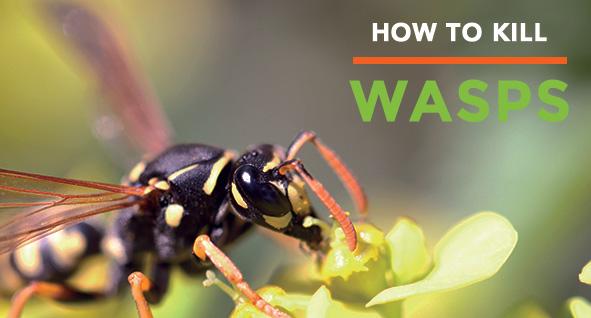
While natural wasp control can be beneficial, elimination may be the best bet when kids or pets are involved. When looking for ways to kill wasps or hornets, it’s important to use a natural or organic control method. Chemical insecticides often leave residual effects on the environment and can even be toxic for humans.
There are several natural ways to get rid of wasps and hornets when they come too close to your home or outdoor event. Wasps tend to be territorial, so even hanging a “false” nest where you don’t want them can act as a deterrent. However, if you already found a wasp or hornet nest on your property, it’s likely too late to simply employ the false nest method.
Wasp traps such as the Safer® Brand Deluxe Yellow Jacket Trap are often good at getting rid of wasps. The wasps go in after the bait, but they won’t be able to figure out how to escape. Whenever you need yellow jacket, hornet or paper wasp control, you’ll just have to make sure to empty the trap and ensure the bait is fresh. The bait should be replaced when emptying a full trap or after 7 days in normal temperatures. High heat can cause the bait to evaporate quicker.
Safer® Brand’s poison free traps contain food attractants instead of harmful chemicals. This ensures other animals will not be harmed if they ingest any of the dead insects. Victor® Poison Free® Yellow Jacket & Flying Insect Reusable Trap is available for use in all geographic regions and is perfect to take with you camping or during cookouts.
It might take about 24 hours to fully lure wasps to the trap, so plan ahead if you're having a backyard party or outdoor event. Carefully read and follow all instructions completely for safe and effective trap usage.
Why Choose a Solution for Getting Rid of Wasps?
Solutions break down quickly to their natural elements. They are preferable to chemical pesticides that leave residual contaminants where they are sprayed, causing long-term detrimental effects on the environment.
Solutions like those from Safer® Brand are not harmful to plants, wildlife, people or pets when used as directed.
Yellow Jacket Controls
What?
Yellow jacket/Wasp traps, such as the Safer® Brand Deluxe Yellow Jacket trap, and aerosols containing pyrethrin, d-limonene, palmarosa oil or mint oil appear to be the most effective control methods for these insects.
How?
Pesticide-free traps contain food attractants instead of harmful chemicals.
These traps should be placed along the borders of your lawn. When checking on them, be very careful not to get stung. Carefully read and follow all instructions completely for safe and effective trap usage.
When?
Once a trap such as the Safer® Brand Deluxe Yellow Jacket trap is set up, it will take about 24 hours to fully lure wasps & yellow jackets, so plan ahead if you're having a backyard party or outdoor event.
When treating a full nest, spray aerosol solutions after dusk or before dawn since these insects are dormant at night.
Why Choose a Natural Solution?
Natural solutions break down quickly to their natural elements. They are preferable to chemical pesticides that leave residuals where they are sprayed causing long-term detrimental affects on the environment.
Natural Predators
What?
Birds and other insects eat wasps and hornets, helping to control their populations.
How?
Birds that eat both insects and birdseed may be able to be attracted to your yard through the use of birdfeeders.
When?
Place bird feeders in the yard at anytime throughout the year, although the main time for attracting birds in hopes they will also go after the wasps and hornets would be during the late spring and summer when these insects emerge and are active.
 Safer® Brand leads the alternative lawn and garden products industry, offering many solutions that are compliant with organic gardening standards. Safer® Brand recognizes this growing demand by consumers and offers a wide variety of products for lawns, gardens, landscapes, flowers, houseplants, insects and more!