All About Composting
What is Composting?
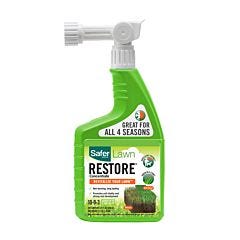
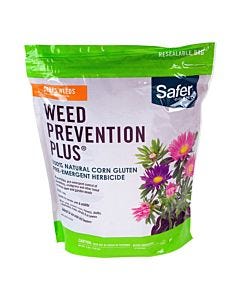
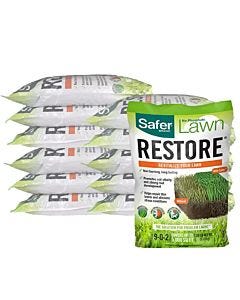
Compost is one of nature's best mulches and soil amendments, and when combined with an organic seed starter such as Concern Weed Prevention Plus or organic fertilizer such as Ringer Lawn Restore, microorganisms break down organic matter into nutrients used by your plants to grow stronger!

Using compost improves soil structure, texture, and aeration as well as increasing the amount of moisture the soil retains, allowing you to water less often.
Compost can clean and repair contaminated soil, including soils that have been destroyed by harmful synthetic chemicals.
How to Compost
There are two ways to make compost, actively or passively:
Active composting
Active composting is highly-involved. The more time you invest, ultimately the more fertilizer it will yield. Being active in the process involves occasional turning of the pile, shredding of the waste material (heats up and decomposes quicker).
Passive composting
Passive composting is just as it sounds. You place your waste in your compost bin and leave it alone, only adding to the pile. Eventually (usually in a year or two) you have your finished product with minimal interaction.
Why Organic?
The benefits of going organic in your lawn and garden are exponential! In addition to helping improve the environment and decreasing the chances of accelerated disease in your family, going organic can provide mental and physical benefits, long-term money-savings, and increased vitamin and mineral content in your soil, among other things. A compost starter is a good way to begin preparing for your organic garden.
Learn more:

Benefits of Going Organic
Organic gardening provides for intense, realistic flavors in your food, and higher vitamin and mineral content than in conventionally produced foods. Organic Gardening: It's good for the environment and healthier for you and your family!

Organic vs. Natural - How to Read Labels
In the world of pesticides and repellents the words "organic" and "natural" are often mistakenly used to replace one another. Understanding product labels and certifications can help clear up the confusion.

Organic Pest Control - Different Ingredients Work for Different Insects
Nature has strategies to deal with insect pests without the use of synthetic chemicals. These strategies include organic pesticides as well as mechanical methods such as using traps, using beneficial bugs, and simply handpicking the pests, etc.
FAQs About Starting an Organic Garden
Q: We want to start a garden in an area of our backyard. How should we get ready for it?
A: One of the best ways to prevent insect problems in your soil is to till the soil. When you till it, insect grubs and
larvae will be brought to the surface where they likely will end up dying. More»

Q: I want an organic garden, so I don’t want to use harmful chemicals. Will the organic
products work as well as the chemical pesticides?
A: Yes, they will be even better for the environment and for your insect control needs. Organic
control methods target the specific insect pest, usually without harming the beneficial insects
you want in your garden to help with insect pest control. More»
Q: I would like to start composting. How do I choose a spot for it?
A: You will need to seek out a level, well-drained area. In wet and cooler regions you will want to store your compost pile
in a sunny spot so as to trap in solar heat (for during the colder months of the year). In warmer, drier areas store
your compost pile in a shadier spot so the pile does not dry out too quickly. Build your pile over soil or lawn to take
advantage of the earthworms, beneficial microbes, and other decomposing organisms. You may want to start with
a good compost starter. More»
Q: If I use a floating row cover, how will bees and other pollinating insects reach the plants?
A: They won’t be able to so you will need to pollinate them yourself by hand. Check with your local garden center or
farm supply store to find out how to hand pollinate them. You may want to remove the row covers during times
of insect pollination.